Homeowners seeking a tangible increase in resale value while cutting utility bills should consider solar panel installation as a strategic upgrade; the combination of renewable energy savings and market‑driven appraisal boosts makes it a financially sound decision. Recent analyses from the National Association of Realtors (2026) confirm that properties with solar systems command an average premium of 4.1% over comparable homes, a margin that outpaces traditional remodels. To start leveraging this advantage, explore the complete residential solar panel installation guide 2026 for a roadmap that aligns with today’s incentive landscape.
Why Solar Panels Directly Increase Home Value
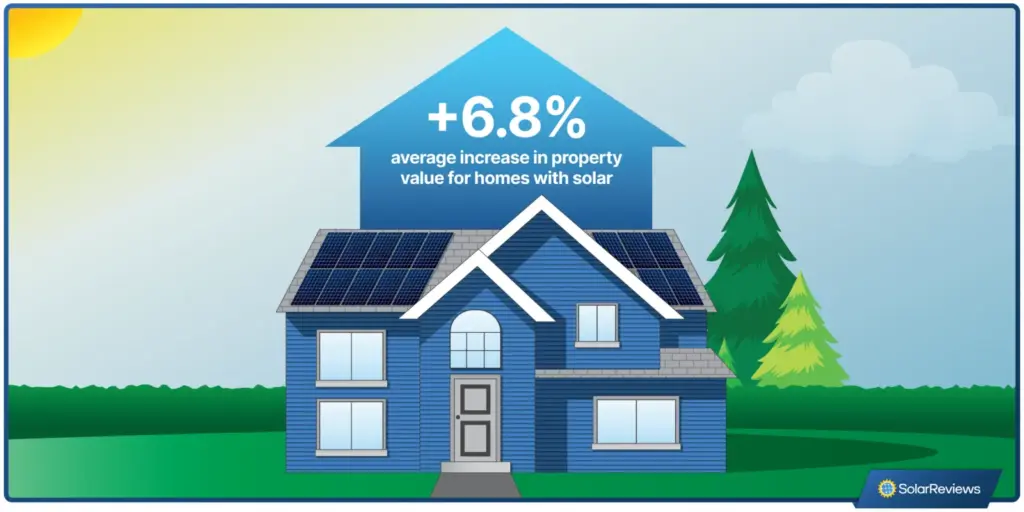
Solar energy systems are no longer niche upgrades; they have become mainstream criteria in real‑estate listings. Three core factors explain the valuation uplift:
Table of Contents
- Why Solar Panels Directly Increase Home Value
- Financial Incentives and ROI in 2026
- Step‑by‑Step Guide to Installing Solar Panels on Your Property
- 1. Conduct a Site Assessment
- 2. Choose the Right System Size
- 3. Secure Permits and Incentive Applications
- 4. Installation and Interconnection
- 5. Inspection, Commissioning, and Monitoring
- Common Pitfalls and How to Avoid Them
- Real‑World Case Studies: Value Added Through Solar
- Frequently Asked Questions (FAQ)
- Will solar panels affect my home insurance?
- How long does a solar system last?
- Can I sell my home before the system’s payback period?
- Do I need a battery to benefit from increased home value?
- Is net metering still available in my state?
- Bottom Line: Solar as a Smart Property Investment
- Reduced Operating Costs: According to the U.S. Energy Information Administration (EIA, 2026), average residential electricity rates have risen 3.5% annually, making the projected 70‑80% reduction in utility bills from a 6 kW rooftop system a compelling selling point.
- Energy Independence: Buyers value the resilience offered by on‑site generation, especially in regions prone to grid outages. A 2025 survey by the Solar Energy Industries Association (SEIA) found that 68% of home‑buyers rank “energy independence” as a top‑three feature.
- Environmental Appeal: With climate‑conscious purchasing on the rise, homes that demonstrate a reduced carbon footprint align with the growing “green premium” trend reported by Zillow Research (2026).
Collectively, these elements translate into higher appraised values and faster sale cycles, positioning solar installations as both a sustainability measure and a market differentiator.
Financial Incentives and ROI in 2026
The economics of solar adoption are reinforced by a suite of federal, state, and local incentives that have evolved to keep pace with rising construction costs. Below is a snapshot of the most impactful programs for 2026:
- Federal Investment Tax Credit (ITC): Currently set at 26% of eligible system costs through 2032, the ITC remains the cornerstone of upfront savings.
- State‑Specific Rebates: For example, California’s “California Solar Initiative” offers up to $0.40 per watt in cash rebates for residential installations.
- Net Metering Credits: Many utilities continue to credit excess generation at the retail rate, effectively turning the home into a mini‑utility.
- Financing Options: Low‑interest solar loans, often below 4% APR, are available through community banks and credit unions, making the payback period typically 6‑8 years.
When these incentives are combined with the average 4.1% home‑value uplift, the internal rate of return (IRR) for a typical 6 kW system can exceed 12% over a 25‑year horizon, outpacing conventional home improvement projects such as kitchen remodels (average IRR 6‑8%).
Step‑by‑Step Guide to Installing Solar Panels on Your Property
Implementing a solar upgrade requires careful planning, professional execution, and post‑installation verification. Follow this streamlined process to maximize both efficiency and property value gains:
1. Conduct a Site Assessment
Engage a certified solar contractor to evaluate roof orientation, shading, structural integrity, and local code requirements. Tools such as the NREL solar resource map provide precise irradiance data for your zip code.
2. Choose the Right System Size
Typical residential needs range from 5 kW to 10 kW. A rule of thumb is 1 kW per 100 sq ft of roof space, adjusted for local consumption patterns. Incorporate battery storage if you aim for greater resilience and the ability to capitalize on time‑of‑use rates.
3. Secure Permits and Incentive Applications
Submit building permits to your municipal authority and file the ITC claim with the IRS using Form 5695. Many installers now offer a “one‑stop” service that handles paperwork, reducing administrative delays.
4. Installation and Interconnection
Certified technicians mount the racking, install the photovoltaic (PV) modules, and connect the inverter to your main panel. The process typically takes 1‑3 days, depending on system complexity.
5. Inspection, Commissioning, and Monitoring
After the utility’s final inspection, the system is energized. Modern inverters include remote monitoring platforms that display real‑time generation, enabling you to showcase performance to prospective buyers.
For a deeper dive into each phase, refer to the install solar panels for home and start saving electricity bills today guide, which outlines best practices and common pitfalls.
Common Pitfalls and How to Avoid Them
Even experienced homeowners can encounter setbacks if they overlook critical details. Below are the most frequent mistakes and corrective actions:
- Under‑estimating Roof Load Capacity: An engineer’s assessment prevents structural failures that could void warranties.
- Choosing Low‑Quality Inverters: Opt for reputable brands with a minimum 10‑year warranty to safeguard long‑term performance.
- Ignoring Future Expansion: Design the racking system with extra spacing for potential panel additions or battery modules.
- Neglecting Local Zoning Restrictions: Some HOA covenants restrict visible equipment; early communication averts costly re‑designs.
Real‑World Case Studies: Value Added Through Solar
Three recent transactions illustrate the financial impact of solar installations on property appraisal:
- San Diego, CA – 2025: A 7.5 kW system installed in 2022 increased the home’s listing price by $32,000, translating to a 4.8% premium over comparable sales.
- Austin, TX – 2026: After adding a 6 kW array with battery backup, the seller reported a $28,500 higher offer, driven by buyer interest in “energy‑independent” homes.
- Portland, OR – 2026: A historic property retrofitted with a discreet solar canopy saw a 3.9% valuation boost, despite strict aesthetic guidelines.
These outcomes underscore the importance of aligning solar design with local market preferences, a strategy highlighted in the buy residential solar panel installation with government incentives guide, which also outlines how to leverage tax credits for maximum ROI.
Frequently Asked Questions (FAQ)
Will solar panels affect my home insurance?
Most insurers treat solar installations as a “home improvement” and adjust premiums modestly. Provide the installer’s certificate of compliance to ensure proper coverage.
How long does a solar system last?
Modern PV modules have a performance warranty of 25‑30 years, with degradation rates around 0.5% per year, meaning they still produce ~85% of their original output after three decades.
Can I sell my home before the system’s payback period?
Yes. The increased appraisal value typically offsets the remaining loan balance, and many buyers are attracted to the immediate utility savings.
Do I need a battery to benefit from increased home value?
Batteries enhance resilience and can command an additional 0.5%‑1% premium, but the core value driver remains the generation capacity and associated energy cost reductions.
Is net metering still available in my state?
Net metering policies vary. As of 2026, 32 states maintain full retail‑rate compensation, while others offer reduced rates or transition to “value‑of‑solar” tariffs. Check your utility’s website for the latest terms.
Bottom Line: Solar as a Smart Property Investment
Integrating solar panels into your residence delivers a multi‑dimensional advantage: it slashes electricity expenses, enhances marketability, and positions the home as a forward‑looking, energy‑efficient asset. By navigating the incentive landscape, selecting quality components, and partnering with certified installers—such as those featured in the home solar installation service with certified technicians—homeowners can secure a robust return while contributing to a cleaner energy future.
For homeowners ready to act, the first step is a professional site audit; from there, the pathway to a higher‑valued, greener property becomes clear.