To order a solar energy system installation for your home with a fast‑setup service, you need a clear, step‑by‑step plan that aligns technical requirements, local regulations, and realistic ROI expectations. This approach eliminates guesswork, shortens the commissioning timeline, and ensures the system performs optimally from day one.
Why Speed Matters in Residential Solar Panel Installation
Homeowners increasingly demand rapid deployment because the longer a system remains off‑grid, the more electricity costs accumulate. According to the U.S. Department of Energy, the average payback period for residential solar fell to 6.7 years in 2025, largely due to faster installation cycles and improved panel efficiency. A fast‑setup service compresses the typical 6‑ to 8‑week timeline to under 3 weeks, allowing you to start saving on utility bills immediately.
Core Components of a Fast‑Setup Solar Energy System
Even with an accelerated schedule, a quality system must include the same essential elements as a traditional build:
Table of Contents
- Why Speed Matters in Residential Solar Panel Installation
- Core Components of a Fast‑Setup Solar Energy System
- Step‑by‑Step Guide to Ordering Your Home Solar Installation
- 1. Conduct a Free Solar Feasibility Assessment
- 2. Choose a Fast‑Setup Package
- 3. Review Financial Incentives and Financing Options
- 4. Sign the Installation Contract
- 5. Permitting, Inspection, and Interconnection
- 6. Installation Day – What to Expect
- Real‑World Case Study: From Quote to Savings in 18 Days
- Common Pitfalls and How to Avoid Them
- Frequently Asked Questions
- What is the typical timeline for a fast‑setup residential solar installation?
- Can I combine fast‑setup with a financing plan?
- Will a rapid installation affect the system’s warranty?
- How do I monitor the performance of a quickly installed system?
- Future Outlook: Fast‑Setup Solar as a Market Standard
- Take the Next Step Today
- Solar Modules: High‑efficiency monocrystalline panels rated 20‑22 %.
- Inverter: String or micro‑inverters with rapid grid‑synchronization.
- Mounting Structure: Roof‑integrated or ground‑mount kits designed for quick bolt‑on installation.
- Monitoring Platform: Real‑time performance analytics accessible via mobile apps.
- Permitting & Inspection Package: Pre‑prepared documentation to satisfy local utility and building codes.
Step‑by‑Step Guide to Ordering Your Home Solar Installation
1. Conduct a Free Solar Feasibility Assessment
Begin with a professional site survey that measures roof orientation, shading, and structural integrity. Many installers, such as those highlighted in Affordable Residential Solar Panel Installation with Free Consultation, offer this service at no cost. The resulting solar irradiance map determines the optimal system size and predicts annual energy generation.
2. Choose a Fast‑Setup Package
Look for providers that advertise “rapid deployment” or “express installation.” These packages typically include:
- Pre‑engineered mounting systems that require fewer field adjustments.
- Standardized wiring harnesses that plug directly into the inverter.
- Dedicated project managers who coordinate permits, utility approvals, and crew schedules.
3. Review Financial Incentives and Financing Options
In 2026, the federal Investment Tax Credit (ITC) remains at 30 % for residential solar, while many states add rebates and property‑tax exemptions. A concise financial model should compare:
- Up‑front capital versus zero‑down leasing.
- Projected annual savings based on your utility’s rate structure.
- Estimated ROI after factoring in the ITC and local incentives.
For a deeper dive into government incentives, see Buy Residential Solar Panel Installation With Government Incentives – 2026 Guide to Savings & ROI.
4. Sign the Installation Contract
The contract should spell out the guaranteed fast setup timeline, performance warranties (typically 25 years for panels, 10 years for inverters), and a clear hand‑over protocol for system monitoring. Pay attention to clauses covering weather‑related delays and any post‑installation service fees.
5. Permitting, Inspection, and Interconnection
Fast‑setup providers often submit electronic permit applications in parallel with equipment staging. In many jurisdictions, the utility’s interconnection request can be completed within 5‑7 business days if all documentation is pre‑approved. This simultaneous approach prevents bottlenecks that traditionally add weeks to the schedule.
6. Installation Day – What to Expect
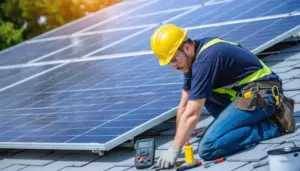
On the scheduled day, a crew of certified technicians arrives with pre‑assembled racking and pre‑wired panels. The process typically follows these milestones:
- Secure mounting brackets to the roof or ground pad.
- Mount panels, connect them to the inverter, and route conduit.
- Install the monitoring gateway and verify grid synchronization.
- Conduct a final performance test and hand over system credentials.
The entire operation can be completed in a single 8‑hour shift for a 5‑kW system, or two shifts for larger 10‑kW installations.
Real‑World Case Study: From Quote to Savings in 18 Days

John Martinez, a homeowner in Austin, TX, needed a quick solution after his utility raised rates by 12 % in early 2026. He engaged a fast‑setup installer through the “Switch to Home Solar Panel Installation and Cut Energy Costs Fast – 2026 Guide.” Within 48 hours of the free site audit, his 6‑kW system was designed, permitted, and scheduled. Installation took a single day, and the system was live on the grid the following afternoon. In his first 12 months, John reported a 78 % reduction in electricity bills, translating to $1,200 in savings, well within the projected payback window.
Common Pitfalls and How to Avoid Them
- Under‑estimating Shading: Even small obstructions can drop output by 5‑10 %. Use LiDAR‑based shading analysis during the assessment phase.
- Skipping Permits: Some installers promise “no‑permit” installations, which can lead to fines and forced removal. Always verify that the contractor obtains the necessary building and electrical permits.
- Choosing Low‑Quality Inverters: Inverters are the system’s brain. Opt for brands with proven reliability and a minimum 10‑year warranty.
- Neglecting Maintenance Plans: Fast setup does not eliminate the need for periodic cleaning and inverter checks. A maintenance contract can safeguard performance over the system’s lifetime.
Frequently Asked Questions
What is the typical timeline for a fast‑setup residential solar installation?
From contract signing to grid connection, most fast‑setup services complete the process in 14‑21 days, assuming no weather delays and that permits are approved electronically.
Can I combine fast‑setup with a financing plan?
Yes. Many lenders and solar providers offer zero‑down loans that align with the expedited schedule, allowing you to start saving while you pay over 10‑15 years.
Will a rapid installation affect the system’s warranty?
No. As long as the installer follows manufacturer guidelines and uses certified technicians, warranty terms remain unchanged.
How do I monitor the performance of a quickly installed system?
Modern inverters include built‑in monitoring dashboards accessible via smartphone apps. Real‑time data shows daily generation, consumption offset, and any alerts for maintenance.
Future Outlook: Fast‑Setup Solar as a Market Standard
Industry analysts from the Solar Energy Industries Association (SEIA) predict that by 2028, 45 % of new residential solar projects will adopt a fast‑setup model. The drivers are clear: consumer demand for immediate cost relief, streamlined permitting processes, and the maturation of modular mounting systems that reduce on‑site labor.
Take the Next Step Today
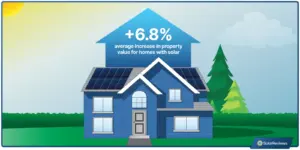
If you’re ready to order a solar energy system installation for your home with fast setup service, start by scheduling a free assessment. A well‑planned, rapid deployment not only cuts your electricity bills faster but also boosts property value—a win‑win for both your wallet and the environment.
Explore related resources to deepen your knowledge:
- Upgrade Your Property With Solar Panel Installation – Boost Home Value & Savings in 2026
- Book Home Solar Installation Service With Certified Technicians Today – Fast, Safe, and Savings‑Focused
By following the structured approach outlined above, you can confidently navigate the fast‑track to clean energy and enjoy the financial and environmental benefits of a professionally installed solar system.