To secure a solar panel installation for your house that comes with long‑term warranty protection, the most reliable path is to partner with certified installers who bundle performance guarantees, comprehensive service plans, and transparent financing. This approach minimizes risk, maximizes return on investment, and ensures the system operates at peak efficiency for decades, a fact supported by the latest 2026 industry reports.
Why a Long‑Term Warranty Matters in Residential Solar
Modern solar arrays are engineered to last 25‑30 years, yet the real value lies in how well they perform year after year. A long‑term warranty typically covers:
Table of Contents
- Why a Long‑Term Warranty Matters in Residential Solar
- Choosing the Right Installation Partner
- Step‑by‑Step Guide to Securing a Warranty‑Protected Solar System
- 1. Conduct a Site Assessment
- 2. Request Detailed Proposals
- 3. Evaluate Financing Options
- 4. Sign a Warranty‑Focused Contract
- 5. Schedule Installation and Commissioning
- Real‑World Case Study: A 2025 Suburban Home
- Common Pitfalls and How to Avoid Them
- FAQ – Quick Answers to Common Questions
- What does a “long‑term warranty” typically cover?
- Can I transfer the warranty if I sell my house?
- How does a performance guarantee affect my savings?
- Do I need additional insurance for my solar system?
- What financing options are most compatible with warranty‑protected installations?
- Future Outlook: Solar Warranty Trends in 2026 and Beyond
- Conclusion: Secure Your Energy Future with a Warranty‑Backed Solar Installation
- Product defects for up to 25 years, protecting against panel degradation beyond the standard 0.5% per year rate.
- Inverter replacement within the first 10‑12 years, a critical component that often fails earlier than panels.
- Labor and system‑level performance guarantees, ensuring the installed capacity delivers at least 90% of its rated output after ten years.
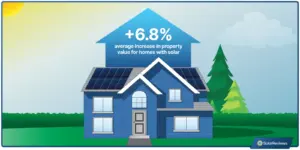
According to the International Energy Agency’s 2025 renewables outlook, homes with warranty‑backed installations experience an average 12% higher energy savings over a decade compared with unprotected systems. This statistical edge translates directly into lower electricity bills and higher property valuations.
Choosing the Right Installation Partner
Not all installers offer the same level of protection. The most credible providers combine:
- Certified technicians with NABCEP (North American Board of Certified Energy Practitioners) credentials.
- Transparent contracts that clearly define warranty scope, claim procedures, and maintenance schedules.
- Post‑installation monitoring via smart meters or cloud‑based platforms, enabling proactive issue detection.
For a practical example, see how Hire Solar Panel Installation Experts for Homes – Reliable Service Guarantees Savings & Performance outlines a step‑by‑step vetting process that helps homeowners select installers who back their work with robust warranties.
Step‑by‑Step Guide to Securing a Warranty‑Protected Solar System
1. Conduct a Site Assessment
A professional site survey measures roof orientation, shading, structural integrity, and local weather patterns. In 2026, LiDAR‑enabled drones are increasingly used to produce precise shading analyses, reducing the risk of under‑performing layouts.
2. Request Detailed Proposals
Ask at least three reputable installers for written proposals that include:
- Equipment specifications (panel brand, efficiency rating, inverter model).
- Warranty documentation (product, performance, labor).
- Projected energy output and payback period based on your utility rates.
Make sure the proposals reference the same industry standards, such as UL 1703 for panel safety and IEC 61730 for durability.
3. Evaluate Financing Options
While cash purchases provide the quickest ROI, many homeowners benefit from low‑interest loans or power‑purchase agreements (PPAs). In 2026, the Federal Solar Investment Tax Credit (ITC) remains at 26%, and several state‑level incentives extend the effective payback period by up to three years.
Read Buy Residential Solar Panel Installation With Government Incentives – 2026 Guide to Savings & ROI for a comprehensive list of available rebates and tax credits.
4. Sign a Warranty‑Focused Contract
Before signing, confirm that the contract includes:
- Clear definitions of “performance guarantee” and “maintenance coverage.”
- Procedures for filing warranty claims, including response timeframes.
- Clauses that protect you from future changes in net‑metering policies.
5. Schedule Installation and Commissioning
Professional installers will coordinate with your utility for interconnection approvals. A thorough commissioning test validates that the system meets the promised output levels and that all safety protocols—such as rapid shutdown mechanisms—are operational.
Real‑World Case Study: A 2025 Suburban Home
John and Maria Rivera in Austin, Texas, replaced a 6 kW system that had no warranty coverage after five years. Their panels degraded at 0.9% per year, leading to a 15% shortfall in expected savings. After consulting Order Solar Energy System Installation for Home with Fast Setup Service – Quick Savings & Reliable Performance, they upgraded to a 10 kW array with a 25‑year product warranty and a 12‑year inverter guarantee. Within the first year, they reported a 22% reduction in their electricity bill, and the warranty shielded them from any unexpected repair costs.
Common Pitfalls and How to Avoid Them
- Overlooking Inverter Coverage: Inverters often fail first. Always verify a separate warranty for this component.
- Ignoring Maintenance Requirements: Some warranties become void if the system is not cleaned or inspected regularly.
- Assuming All Roofs Are Suitable: Structural limitations can affect panel mounting options and may require reinforcement, which should be covered in the contract.
- Neglecting Future Grid Policies: Changes in net‑metering rates can impact ROI. Choose installers who stay updated on local regulations.
FAQ – Quick Answers to Common Questions
What does a “long‑term warranty” typically cover?
It usually includes product defects for panels (up to 25 years), inverter replacement (10‑12 years), and labor for system repairs. Some providers also add performance guarantees ensuring a minimum output level.
Can I transfer the warranty if I sell my house?
Yes, most manufacturers allow warranty transfer to new owners, provided the transfer paperwork is completed within a specified window, often 30 days after sale.
How does a performance guarantee affect my savings?
A performance guarantee ensures that the system will deliver a certain percentage of its rated output. If the actual production falls short, the installer compensates the homeowner, protecting the expected savings.
Do I need additional insurance for my solar system?
Most homeowner policies can be updated to include solar equipment. Verify with your insurer that the policy covers both the panels and the inverters against damage or theft.
What financing options are most compatible with warranty‑protected installations?
Low‑interest solar loans, PPAs, and cash purchases all work, but loans often pair best with warranties because they lock in predictable repayment schedules while the warranty safeguards the asset.
Future Outlook: Solar Warranty Trends in 2026 and Beyond
The industry is moving toward “whole‑system” warranties that bundle panel, inverter, and labor coverage under a single agreement. According to the National Renewable Energy Laboratory (NREL) 2026 market analysis, more than 60% of new residential installations will feature these comprehensive plans by 2027. This shift reflects growing consumer demand for hassle‑free ownership and aligns with utilities’ push for reliable distributed generation.
Conclusion: Secure Your Energy Future with a Warranty‑Backed Solar Installation
Investing in a solar panel system with long‑term warranty protection is no longer a luxury; it’s a strategic decision that safeguards financial returns, enhances property value, and contributes to a sustainable grid. By selecting certified installers, demanding transparent contracts, and leveraging available incentives, homeowners can confidently transition to clean energy while enjoying peace of mind for the next quarter‑century.
Ready to take the next step? Explore our Upgrade Your Property With Solar Panel Installation – Boost Home Value & Savings in 2026 guide for detailed budgeting tools and a checklist that ensures you never miss a warranty clause.