To buy residential solar panel installation with government incentives available, start by confirming your eligibility for the federal solar tax credit, reviewing state‑specific rebates, and selecting a certified installer who can lock in the best net‑metering rates. This combined approach guarantees the highest upfront savings and the fastest return on investment, which is why homeowners are rapidly converting rooftops into clean‑energy assets. For a comprehensive walkthrough of system sizing and cost‑benefit analysis, see the 2026 guide on installing solar panels for home savings.
Why 2026 Is the Prime Moment for Residential Solar Adoption
Government incentives have reached a historic peak. The Inflation Reduction Act, extended through 2032, maintains the federal Investment Tax Credit (ITC) at 30 % for systems placed in service before the end of 2031. Simultaneously, more than 30 U.S. states have introduced additional rebates or performance‑based incentives, driving the effective cost of a residential system below $2.00 per watt in many markets. According to the Solar Energy Industries Association (SEIA) 2025 market report, residential solar installations grew by 18 % year‑over‑year, largely fueled by these financial supports.
Key Federal and State Incentives
- Federal Solar Tax Credit (ITC): Reduces federal tax liability by 30 % of the total installed cost. The credit is refundable for low‑income households under the expanded “Clean Energy for All” provision.
- State Rebates: California’s Single Family Affordable Solar Housing (SFASH) program offers up to $4,000 per home; New York’s NY‑Solar Smart program provides a 25 % rebate on system costs.
- Net Metering Policies: Most utilities now credit each kilowatt‑hour (kWh) exported to the grid at the full retail rate, effectively turning the grid into a virtual battery.
- Renewable Energy Certificates (RECs): Homeowners can sell excess generation on the open market, adding another revenue stream.
Choosing the Right Solar Installer: Quality Meets Savings

Table of Contents
- Why 2026 Is the Prime Moment for Residential Solar Adoption
- Key Federal and State Incentives
- Choosing the Right Solar Installer: Quality Meets Savings
- What to Verify Before Signing a Contract
- Step‑by‑Step Process to Secure Your Solar System
- 1. Conduct a Site Assessment
- 2. Size the System for Optimal ROI
- 3. Secure Financing & Incentives
- 4. Sign the Installation Contract
- 5. Permitting, Interconnection, and Commissioning
- Financial Modeling: Understanding the Real Savings
- Break‑Even Analysis
- Common Mistakes Homeowners Make and How to Avoid Them
- Real‑World Case Study: A Suburban Family’s Path to Energy Independence
- FAQ – Quick Answers to the Most Pressed Questions
- Can I claim the solar tax credit if I have no federal tax liability?
- How long does the permitting process take?
- Do I need a battery to qualify for incentives?
- What happens if I sell my house?
- Is net metering still reliable?
- Final Takeaway
The installer you select determines not only the performance of your array but also your eligibility for many incentives. Certified installers—those holding NABCEP (North American Board of Certified Energy Practitioners) credentials—are pre‑approved by most state rebate programs and can streamline the paperwork required for the ITC.
To ensure a hassle‑free experience, consider booking a consultation with a provider that offers a turnkey service, from design and permitting to commissioning and post‑installation monitoring. The home solar installation service with certified technicians emphasizes safety, speed, and a savings‑focused approach, making it a solid choice for homeowners who value both expertise and transparency.
What to Verify Before Signing a Contract
- Licensing & Insurance: Verify state licensing and that the installer carries liability and workers’ compensation coverage.
- Performance Guarantees: Look for a minimum 25‑year power output warranty (typically 90 % of nameplate capacity).
- Incentive Documentation Support: The installer should provide pre‑filled ITC forms (IRS Form 5695) and state rebate applications.
- Financing Options: Many installers partner with third‑party lenders offering zero‑interest loans or PPA (Power Purchase Agreement) structures that align with incentive timelines.
Step‑by‑Step Process to Secure Your Solar System
1. Conduct a Site Assessment
A professional survey using LiDAR or drone imagery will determine roof orientation, shading, and structural integrity. The output is a precise energy production forecast measured in annual kilowatt‑hours (kWh).
2. Size the System for Optimal ROI
For an average U.S. household consuming 10,800 kWh per year, a 7‑kW system—costing roughly $14,000 before incentives—covers 70‑80 % of electricity needs. Using the SEIA 2025 average cost of $2.80/W, the net after a 30 % ITC and a typical state rebate brings the out‑of‑pocket expense to approximately $7,000.
3. Secure Financing & Incentives
Apply for the ITC through your tax return and submit state rebate applications concurrently. Many installers will handle these submissions on your behalf, but keep copies for your records. If you qualify for the “Clean Energy for All” refundable credit, you may receive a cash rebate even if your tax liability is low.
4. Sign the Installation Contract
The contract should specify:
- System size and equipment (e.g., monocrystalline modules, string inverter or micro‑inverters).
- Projected production and performance guarantee.
- Timeline for permitting, interconnection, and commissioning.
- Warranty terms for modules (25 years) and inverters (10‑12 years).
5. Permitting, Interconnection, and Commissioning
Local building departments review structural plans, while the utility handles interconnection agreements. Once the system passes inspection, the utility installs a net‑metering meter, and the installer performs a final performance test.
Financial Modeling: Understanding the Real Savings
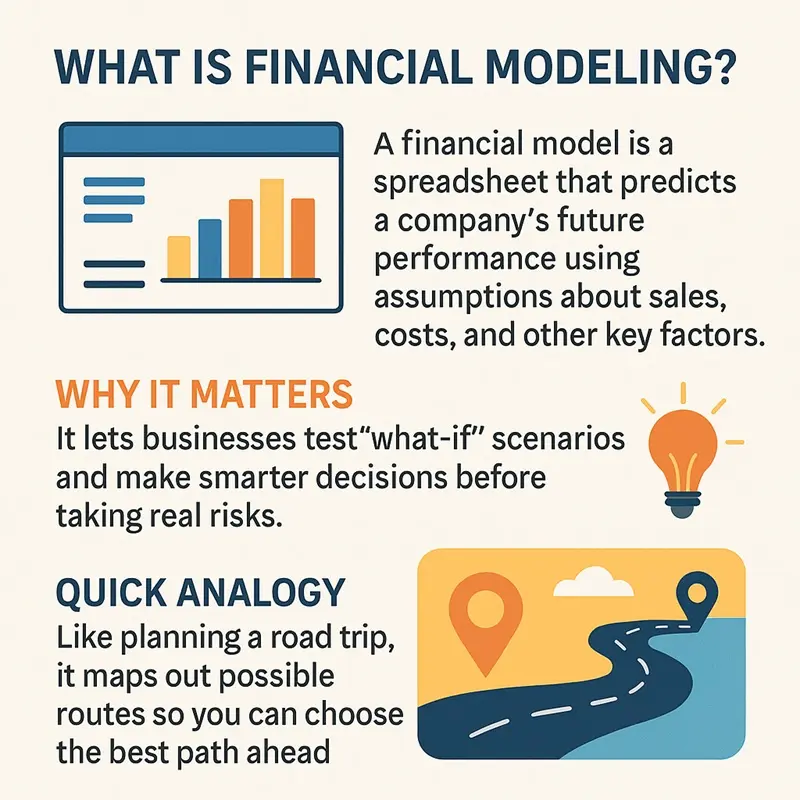
Using the Department of Energy’s (DOE) PVWatts Calculator, a 7‑kW system in Phoenix, AZ, yields an average annual generation of 12,600 kWh. With the local utility rate at $0.13/kWh, the gross savings are $1,638 per year.
Subtracting operation and maintenance (O&M) costs—estimated at $15 per kW per year—leaves a net annual benefit of $1,523. Over a 25‑year lifespan, cumulative savings exceed $38,000, far surpassing the initial investment even before factoring in RECs or additional state incentives.
Break‑Even Analysis
| Metric | Value |
|---|---|
| Pre‑incentive system cost (2026 avg.) | $19,600 |
| Federal ITC (30 %) | -$5,880 |
| State rebate (average) | -$2,500 |
| Net out‑of‑pocket cost | $11,220 |
| Annual net savings | $1,523 |
| Payback period | 7.4 years |
Common Mistakes Homeowners Make and How to Avoid Them
- Over‑sizing the System: Purchasing more capacity than the roof can handle inflates costs without proportionate savings.
- Ignoring Incentive Deadlines: Many state rebates are “first‑come, first‑served”; delaying the project can forfeit up to $4,000.
- Choosing Low‑Cost Installers Without Certifications: Unqualified crews may install modules improperly, voiding warranties and reducing performance.
- Neglecting Ongoing Maintenance: Accumulated dust or foliage shading can cut output by up to 15 % annually; schedule bi‑annual cleaning.
Real‑World Case Study: A Suburban Family’s Path to Energy Independence
In June 2025, the Ramirez family in Austin, TX, installed a 6.5‑kW rooftop system through a local NABCEP‑certified installer. They leveraged the 30 % ITC, a $2,000 Texas Renewable Energy Grant, and a net‑metering agreement with Austin Energy that credits excess generation at 10 ¢/kWh.
Key outcomes after the first year:
- Electricity bill reduction: 78 % (from $2,400 to $528).
- Total cash outlay after incentives: $9,800.
- Projected 25‑year savings: $34,500.
- Environmental impact: 90 metric tons of CO₂ avoided.
The Ramirezes report a seamless experience, crediting the installer’s assistance with incentive paperwork and the use of micro‑inverters that mitigated shading losses from a nearby oak tree.
FAQ – Quick Answers to the Most Pressed Questions
Can I claim the solar tax credit if I have no federal tax liability?
Yes. The 2026 “Clean Energy for All” amendment makes the ITC refundable up to $1,500 for low‑income households, ensuring that even those with minimal tax bills receive a cash benefit.
How long does the permitting process take?
In most jurisdictions, permitting requires 2–4 weeks. Early engagement with a certified installer can accelerate approvals, especially when the installer pre‑fills required forms.
Do I need a battery to qualify for incentives?
No. While battery storage qualifies for additional state rebates in California and New York, the federal ITC applies to solar PV alone. Adding a battery later can still qualify for a separate storage credit (currently 10 %).
What happens if I sell my house?
The ITC is non‑transferable, but the system’s value adds to the property’s resale price. Studies from the National Renewable Energy Laboratory (NREL) show an average premium of $15,000 for homes with active solar installations.
Is net metering still reliable?
Most utilities honor net‑metering contracts for 20 years, after which they may shift to a “value‑of‑solar” tariff. However, the long‑term savings from reduced consumption typically outweigh any future rate changes.
Final Takeaway
Buying residential solar panel installation with government incentives available is no longer a niche investment; it’s a mainstream financial decision backed by robust federal and state policies, proven technology, and clear economic upside. By selecting a NABCEP‑certified installer, aligning your system size with realistic energy goals, and capitalizing on the 30 % ITC alongside state rebates, homeowners can achieve a payback period under eight years and lock in decades of clean, affordable power.
Take the first step today: assess your roof, calculate potential savings, and connect with a qualified installer who can guide you through every incentive and paperwork requirement.