- System size and equipment (e.g., monocrystalline modules, string inverter or micro‑inverters).
- Projected production and performance guarantee.
- Timeline for permitting, interconnection, and commissioning.
- Warranty terms for modules (25 years) and inverters (10‑12 years).
5. Permitting, Interconnection, and Commissioning
Local building departments review structural plans, while the utility handles interconnection agreements. Once the system passes inspection, the utility installs a net‑metering meter, and the installer performs a final performance test.
Financial Modeling: Understanding the Real Savings
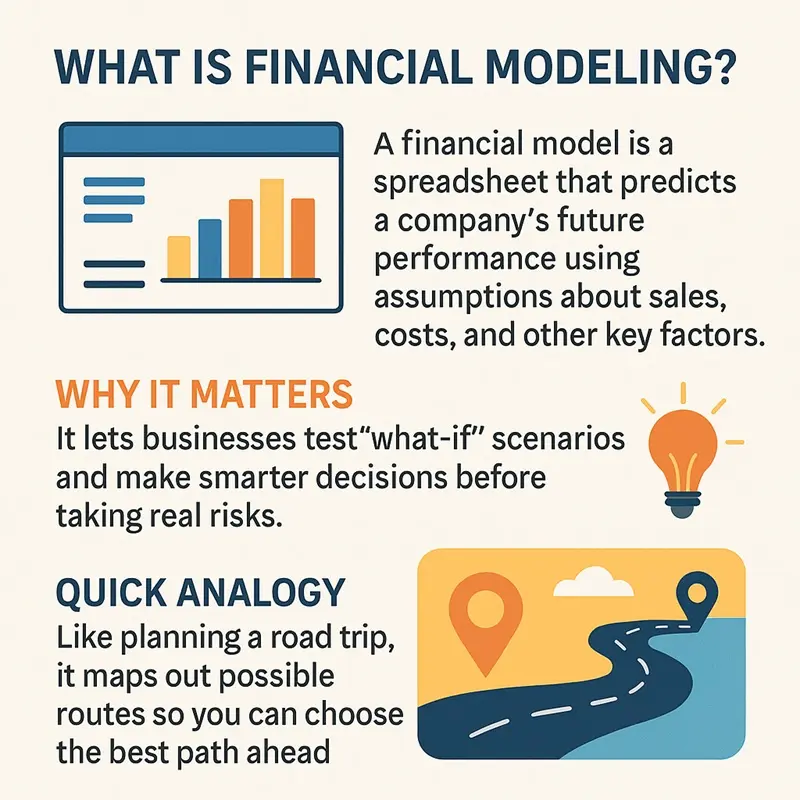
Using the Department of Energy’s (DOE) PVWatts Calculator, a 7‑kW system in Phoenix, AZ, yields an average annual generation of 12,600 kWh. With the local utility rate at $0.13/kWh, the gross savings are $1,638 per year.
Subtracting operation and maintenance (O&M) costs—estimated at $15 per kW per year—leaves a net annual benefit of $1,523. Over a 25‑year lifespan, cumulative savings exceed $38,000, far surpassing the initial investment even before factoring in RECs or additional state incentives.
Table of Contents
- 5. Permitting, Interconnection, and Commissioning
- Financial Modeling: Understanding the Real Savings
- Break‑Even Analysis
- Common Mistakes Homeowners Make and How to Avoid Them
- Real‑World Case Study: A Suburban Family’s Path to Energy Independence
- FAQ – Quick Answers to the Most Pressed Questions
- Can I claim the solar tax credit if I have no federal tax liability?
Break‑Even Analysis
| Metric | Value |
|---|---|
| Pre‑incentive system cost (2026 avg.) | $19,600 |
| Federal ITC (30 %) | -$5,880 |
| State rebate (average) | -$2,500 |
| Net out‑of‑pocket cost | $11,220 |
| Annual net savings | $1,523 |
| Payback period | 7.4 years |
Common Mistakes Homeowners Make and How to Avoid Them
- Over‑sizing the System: Purchasing more capacity than the roof can handle inflates costs without proportionate savings.
- Ignoring Incentive Deadlines: Many state rebates are “first‑come, first‑served”; delaying the project can forfeit up to $4,000.
- Choosing Low‑Cost Installers Without Certifications: Unqualified crews may install modules improperly, voiding warranties and reducing performance.
- Neglecting Ongoing Maintenance: Accumulated dust or foliage shading can cut output by up to 15 % annually; schedule bi‑annual cleaning.
Real‑World Case Study: A Suburban Family’s Path to Energy Independence
In June 2025, the Ramirez family in Austin, TX, installed a 6.5‑kW rooftop system through a local NABCEP‑certified installer. They leveraged the 30 % ITC, a $2,000 Texas Renewable Energy Grant, and a net‑metering agreement with Austin Energy that credits excess generation at 10 ¢/kWh.
Key outcomes after the first year:
- Electricity bill reduction: 78 % (from $2,400 to $528).
- Total cash outlay after incentives: $9,800.
- Projected 25‑year savings: $34,500.
- Environmental impact: 90 metric tons of CO₂ avoided.
The Ramirezes report a seamless experience, crediting the installer’s assistance with incentive paperwork and the use of micro‑inverters that mitigated shading losses from a nearby oak tree.
FAQ – Quick Answers to the Most Pressed Questions
Can I claim the solar tax credit if I have no federal tax liability?
Yes. The 2026 “Clean Energy for All” amendment makes the ITC refundable up to $1,500 for low‑income households, ensuring that even those with minimal tax bills receive a cash benefit.