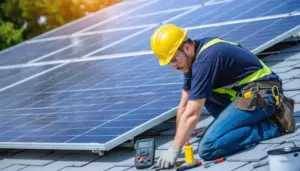
For homeowners who want to start saving on electricity instantly, the fastest route is to **book a home solar installation service with certified technicians today**. This approach guarantees a professionally engineered system, compliance with local codes, and the performance guarantees that DIY setups simply cannot match.
Why Certified Technicians Make All the Difference
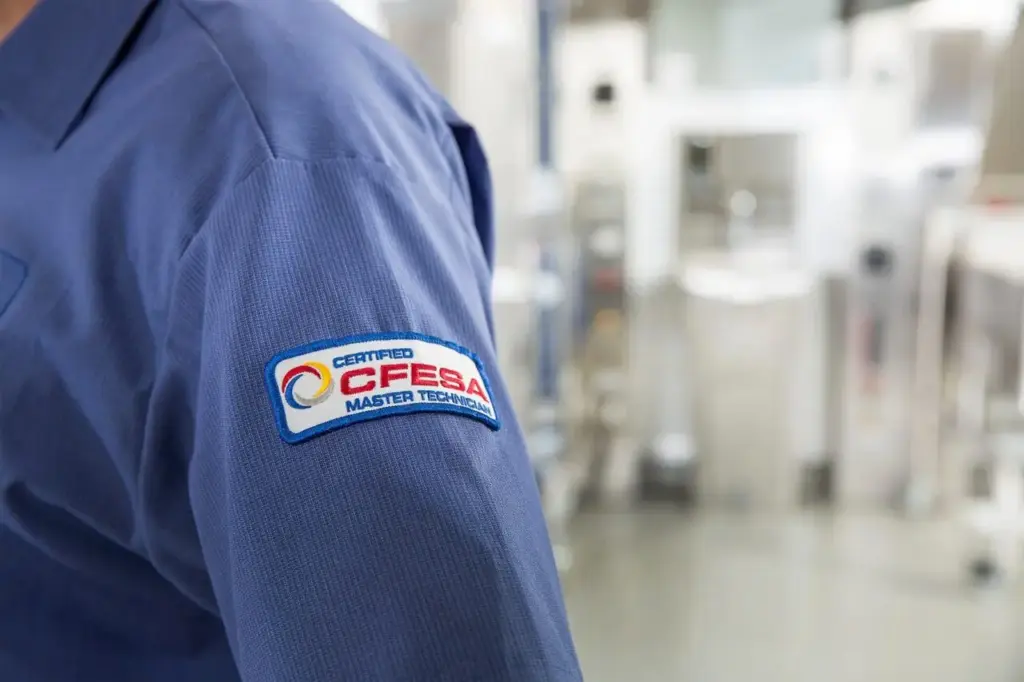
Certified solar installers have passed rigorous training standards set by organizations such as the North American Board of Certified Energy Practitioners (NABCEP). Their expertise translates into:
Table of Contents
- Why Certified Technicians Make All the Difference
- Step‑by‑Step Guide to Booking Your Service
- 1. Conduct a Quick Self‑Check
- 2. Request a Free, No‑Obligation Quote
- 3. Review the Proposal and Financing
- 4. Sign the Contract and Schedule Installation
- Real‑World Success Stories
- Key Data & Statistics (2026)
- Common Pitfalls and How Certified Technicians Avoid Them
- Improper Sizing
- Poor Electrical Connections
- Neglecting Permits
- FAQ – Answers to the Most Pressed Questions
- How long does the entire process take?
- Do I need a roof replacement before installing solar?
- What warranties are typically offered?
- Can I monitor my system’s performance?
- Is financing available for low‑credit households?
- Choosing the Right Service Provider
- Take Action Today – Secure Your Solar Future
- Accurate site assessments that account for shading, roof orientation, and structural integrity.
- Optimized system design—whether it’s a grid‑tied solar system or a hybrid battery‑backed solution.
- Compliance with the National Electrical Code (NEC) and local permitting requirements.
- Warranty protection from manufacturers and installers alike.
In 2026, the Solar Energy Industries Association (SEIA) reported that over 92 % of new residential installations were performed by certified professionals, underscoring the market’s trust in qualified installers.
Step‑by‑Step Guide to Booking Your Service
1. Conduct a Quick Self‑Check
Before you reach out, verify that your home meets the basic criteria for a residential solar panel installation:
- South‑facing roof with at least 5‑6 hours of direct sunlight daily.
- Roof age of less than 15 years (or a solid, well‑maintained structure).
- Available space for the desired kilowatt‑peak (kWp) capacity.
2. Request a Free, No‑Obligation Quote
Most reputable solar companies offer a complimentary site survey and price estimate. During this visit, certified technicians will:
- Measure roof dimensions and slope.
- Run a shade analysis using tools like Solmetric SunEye.
- Discuss financing options—including solar loans, leases, and power purchase agreements (PPAs).
3. Review the Proposal and Financing
The written proposal should detail:
- System size (kW), expected annual production (kWh), and performance ratio.
- Breakdown of equipment costs, labor, permits, and any applicable rebates.
- Payback period and estimated savings based on your utility’s 2025‑2026 rates.
According to the International Energy Agency (IEA) 2025 Renewable Energy Market Report, the average residential payback time in the United States fell to **6.8 years**, thanks to lower panel prices and higher electricity tariffs.
4. Sign the Contract and Schedule Installation
Once you approve the contract, the installer will arrange a convenient installation date. Certified technicians typically complete a typical 5‑kW system within 1‑2 days, followed by a brief inspection from the local building department.
Real‑World Success Stories
Consider the case of the Martinez family in Austin, Texas. After booking a home solar installation service with a NABCEP‑certified team, they installed a 7.2‑kW grid‑tied system paired with a 10 kWh lithium‑ion battery. Within the first year, they reduced their electricity bill by 78 %, translating to roughly **$2,500 in savings**. Their experience is detailed in our case study on residential solar upgrades, illustrating how professional installation accelerates ROI.
Key Data & Statistics (2026)
- U.S. residential solar capacity reached **118 GW**, a 19 % increase over 2025 (U.S. Energy Information Administration, 2026).
- Average cost per watt for residential PV fell to **$2.45**, a 12 % drop from the previous year (SEIA, 2026).
- Federal Investment Tax Credit (ITC) remains at **30 %** for installations completed before the end of 2032 (U.S. Department of Energy).
Common Pitfalls and How Certified Technicians Avoid Them
Improper Sizing
Over‑ or under‑sizing a system can lead to excess costs or unmet energy needs. Certified installers use software such as Aurora Solar to simulate real‑world performance, ensuring the system matches the household’s consumption profile.
Poor Electrical Connections
Incorrect wiring can trigger safety hazards and void warranties. Professional technicians follow NEC Article 690 guidelines and perform post‑installation testing with clamp meters and insulation resistance testers.
Neglecting Permits
Skipping the permitting process can result in costly re‑work or fines. Certified installers handle all paperwork, from building permits to utility interconnection agreements, keeping the project on schedule.
FAQ – Answers to the Most Pressed Questions
How long does the entire process take?
From the first quote request to final commissioning, most homeowners complete the journey in **4‑6 weeks**. The actual on‑site work usually requires **1‑2 days** for a standard residential system.
Do I need a roof replacement before installing solar?
If your roof is older than 15 years or shows signs of wear, installers often recommend replacement first. Many certified companies partner with roofing contractors to coordinate the work, minimizing downtime.
What warranties are typically offered?
Panel manufacturers provide 25‑year performance warranties, while inverters usually have 10‑year coverage. Certified installers add a **10‑year labor warranty**, covering any workmanship issues that may arise.
Can I monitor my system’s performance?
Yes. Most modern inverters come with web‑based dashboards that show real‑time generation, consumption, and savings. Certified installers can integrate third‑party monitoring platforms for enhanced analytics.
Is financing available for low‑credit households?
Several solar providers partner with banks offering **low‑down‑payment loans** and **zero‑interest PPAs**. In many states, utility‑scale programs also provide subsidized financing for qualifying households.
Choosing the Right Service Provider
When evaluating solar installation companies, focus on the following criteria:
- Certification Status – Verify NABCEP or equivalent credentials.
- Customer Reviews – Check the Better Business Bureau and Google reviews for recent feedback.
- Local Experience – Companies familiar with your city’s permitting process will avoid delays.
- Transparent Pricing – Look for itemized quotes that separate hardware, labor, and incentives.
Our guide on selecting a reliable solar contractor provides a checklist to streamline this decision‑making process.
Take Action Today – Secure Your Solar Future
Booking a home solar installation service with certified technicians today is not just an eco‑friendly choice; it’s a financially sound investment backed by industry data and government incentives. By acting now, you lock in the current 30 % ITC, capitalize on the latest low‑cost panel technology, and start reaping energy savings within weeks.
Ready to make the switch? Reach out to a certified installer, schedule your free assessment, and watch your utility bills shrink while your property value climbs.
For additional insights on solar financing, visit our Solar Financing Options article, and explore the latest policy updates in the Renewable Energy Policy 2026 overview.