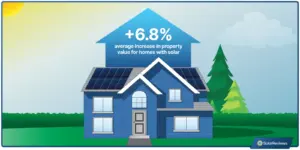
Homeowners seeking an affordable residential solar panel installation with a no‑obligation consultation can cut utility bills and increase property value within weeks, not months. By partnering with certified installers who assess roof orientation, local sun‑hour data, and financing options, you receive a tailored proposal that balances upfront cost against long‑term energy savings. This streamlined approach eliminates guesswork and lets you compare real‑world ROI before signing any contract. For a quick overview of how solar upgrades affect market value, see our guide on boosting home value with solar panel installation.
Why an Immediate, Free Consultation Matters
In 2026, the average residential solar system costs US$2.85 per watt after federal tax credits, according to the U.S. Energy Information Administration (EIA). However, the true expense varies dramatically based on location, roof type, and financing structure. A free, on‑site evaluation provides:
- Accurate sizing: Ensures the system meets your household’s kilowatt‑hour demand without over‑ or under‑installing.
- Financial clarity: Breaks down payback periods, highlighting options like solar loans, leases, or power‑purchase agreements (PPAs).
- Regulatory compliance: Identifies local permitting requirements and eligibility for state‑level incentives.
Real‑World Case Study: From High Bills to Energy Independence
Jane Martinez, a suburban homeowner in Austin, Texas, faced monthly electricity charges exceeding $250. After a complimentary assessment, she installed a 7.2 kW rooftop system financed through a low‑interest solar loan. Within 12 months, her utility bill dropped to under $30, and the system’s net‑metering credits earned her an additional $180 annually. By 2026, the cumulative savings surpassed $3,200, delivering a 15 % increase in her home’s resale value, as reported by the National Association of Realtors.
Table of Contents
2026 Data Snapshot: Solar Adoption Trends
According to the Solar Energy Industries Association (SEIA) 2026 market report:
- Residential solar installations grew by 19 % year‑over‑year.
- The average payback period dropped to 6.8 years due to higher efficiency panels and expanded tax incentives.
- Homeowners who combined solar with battery storage saw a 23 % increase in property valuation.
These figures underscore that a cost‑effective solar solution is no longer a niche luxury but a mainstream financial strategy.
Step‑by‑Step Guide to Secure an Affordable Installation
1. Schedule the Free Consultation
Contact a certified installer and arrange a site visit. Provide recent electric bills and any shading concerns (trees, chimneys).
2. Receive a Detailed Proposal
The proposal should include:
- System size (kW) and expected annual generation (kWh).
- Itemized cost breakdown (panels, inverter, mounting hardware, labor).
- Financing options, including any solar panel financing offers or lease terms.
- Projected savings and payback timeline.
3. Review Incentives and Tax Credits
Leverage federal and state programs. For example, the 2026 Federal Solar Investment Tax Credit (ITC) remains at 30 %, and many states offer additional rebates. Our government incentives guide outlines each credit’s eligibility criteria.