Homeowners seeking a tangible increase in resale value while cutting utility bills should consider solar panel installation as a strategic upgrade; the combination of renewable energy savings and market‑driven appraisal boosts makes it a financially sound decision. Recent analyses from the National Association of Realtors (2026) confirm that properties with solar systems command an average premium of 4.1% over comparable homes, a margin that outpaces traditional remodels. To start leveraging this advantage, explore the complete residential solar panel installation guide 2026 for a roadmap that aligns with today’s incentive landscape.
Why Solar Panels Directly Increase Home Value
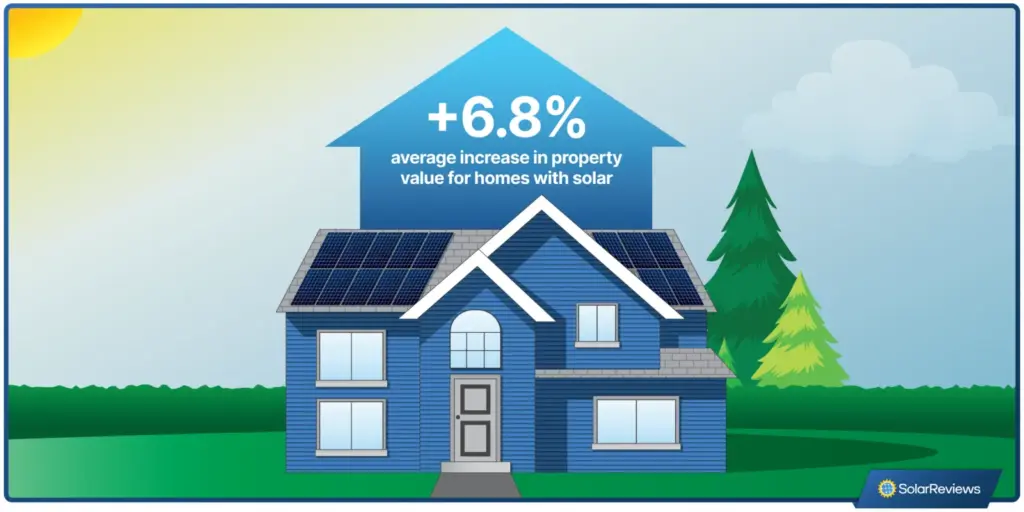
Solar energy systems are no longer niche upgrades; they have become mainstream criteria in real‑estate listings. Three core factors explain the valuation uplift:
- Reduced Operating Costs: According to the U.S. Energy Information Administration (EIA, 2026), average residential electricity rates have risen 3.5% annually, making the projected 70‑80% reduction in utility bills from a 6 kW rooftop system a compelling selling point.
- Energy Independence: Buyers value the resilience offered by on‑site generation, especially in regions prone to grid outages. A 2025 survey by the Solar Energy Industries Association (SEIA) found that 68% of home‑buyers rank “energy independence” as a top‑three feature.
- Environmental Appeal: With climate‑conscious purchasing on the rise, homes that demonstrate a reduced carbon footprint align with the growing “green premium” trend reported by Zillow Research (2026).
Collectively, these elements translate into higher appraised values and faster sale cycles, positioning solar installations as both a sustainability measure and a market differentiator.
Table of Contents
Financial Incentives and ROI in 2026
The economics of solar adoption are reinforced by a suite of federal, state, and local incentives that have evolved to keep pace with rising construction costs. Below is a snapshot of the most impactful programs for 2026:
- Federal Investment Tax Credit (ITC): Currently set at 26% of eligible system costs through 2032, the ITC remains the cornerstone of upfront savings.
- State‑Specific Rebates: For example, California’s “California Solar Initiative” offers up to $0.40 per watt in cash rebates for residential installations.
- Net Metering Credits: Many utilities continue to credit excess generation at the retail rate, effectively turning the home into a mini‑utility.
- Financing Options: Low‑interest solar loans, often below 4% APR, are available through community banks and credit unions, making the payback period typically 6‑8 years.
When these incentives are combined with the average 4.1% home‑value uplift, the internal rate of return (IRR) for a typical 6 kW system can exceed 12% over a 25‑year horizon, outpacing conventional home improvement projects such as kitchen remodels (average IRR 6‑8%).
Step‑by‑Step Guide to Installing Solar Panels on Your Property
Implementing a solar upgrade requires careful planning, professional execution, and post‑installation verification. Follow this streamlined process to maximize both efficiency and property value gains:
1. Conduct a Site Assessment
Engage a certified solar contractor to evaluate roof orientation, shading, structural integrity, and local code requirements. Tools such as the NREL solar resource map provide precise irradiance data for your zip code.
2. Choose the Right System Size
Typical residential needs range from 5 kW to 10 kW. A rule of thumb is 1 kW per 100 sq ft of roof space, adjusted for local consumption patterns. Incorporate battery storage if you aim for greater resilience and the ability to capitalize on time‑of‑use rates.